I developed a strong interest in nihonshu and spent time tasting a formidable sample size and studying it. Over time, however, I became increasingly aware of several shortcomings that made it less engaging to explore.
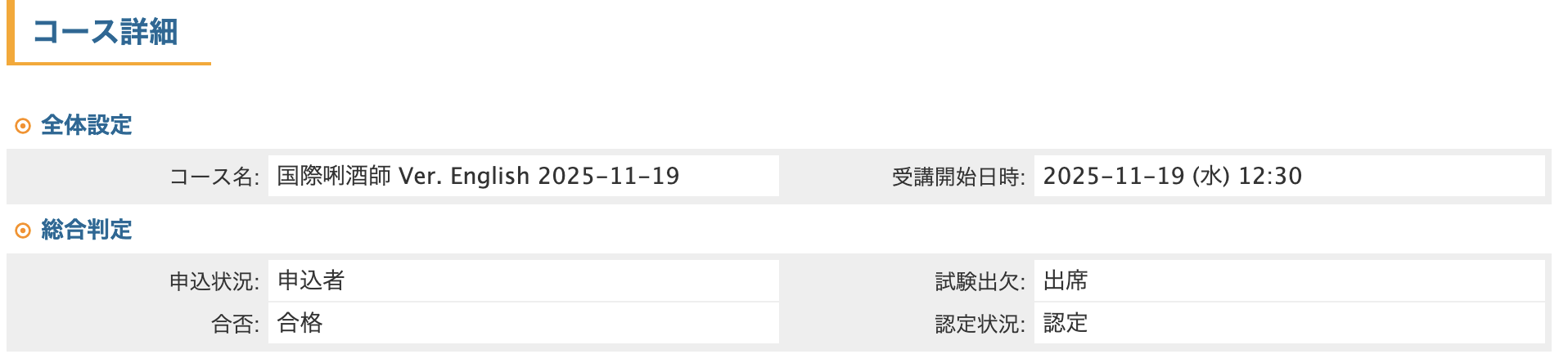
The photo below shows my Gokusai Kikisakeshi (国際唎酒師) certification from the period when I was most deeply involved in learning about sake.
Picture of the Gokusai Kikisakeshi (国際唎酒師).
Wine and whisky allow enthusiasts to build knowledge over time because their products tend to preserve stable points of comparison. The same wine can be followed across vintages, while whisky can be compared through distillery character, age, cask type, or production era. Nihonshu rarely offers the same continuity.
As a result, one bottle rarely teaches something that can be confidently applied to the next. A seasonal nama or limited rice-specific release may be interesting, but if it disappears, changes name, or returns with different specifications, the knowledge gained from drinking it has no lasting value. The bottle becomes an isolated experience rather than part of a stable system that can be studied, compared, and understood cumulatively.
Excessive information further compounds the lack of cumulative knowledge. The specifications listed may all change between releases, often without a permanent reference bottle against which those differences can be understood. Few examples of information focused by nihonshu enthusiasts are:
Pressing and pasteurization methods—such as fune-shibori, nama, or namazume—can affect texture, freshness, body, and finish. However, they rarely provide a reliable indication of the bottle’s overall style. They are useful as secondary details, but not as primary guides to taste.
The polishing ratio can offer a rough indication of weight or refinement, but it does not reliably predict whether a sake will be aromatic, umami-forward, dry, or sweet, etc. In practice, it often carries more prestige value than sensory value.
Rice varieties are prominently displayed on many bottles, yet their influence is difficult to isolate. The same variety can taste completely different across producers, while different varieties made by the same producer may retain a strong house resemblance. In blind tasting, identifying a rice variety consistently is extremely difficult (confirmed/tested by people in the industry).
In addition to distracting cumulative knowledge, the one-offs/seasonsnal information often appears to be a marketing material to induce urgency to frame spending. From conversations with one from the industry, some producers even have the same liquid but change the label according to season or a production method they already use.
The one-offs seems similar to including information about the producer’s location to encourage spending on jizake (local nihonshu) when a concept of terrior in nihonshu simply does not exist. Rare nihonshu is rare only because it is fleeting, not because it represents a historically significant expression.
Nihonshu is difficult to navigate because breweries often prioritize technical detail, seasonal variation, and limited releases over a clear and recognizable house style.
Breweries should build their lineups around a small number of permanent bottles that clearly express what the producer stands for. This would allow drinkers to understand the brewery through repeated experience rather than treating every release as an isolated product.
Constant one-offs weaken brand identity, make comparison difficult, and prevent consumers from developing lasting knowledge. Other information such as production details such as rice strain, polishing rate, pressing method, and pasteurization can remain available through a website or QR code.
A stronger focus on house style would make nihonshu easier to understand, easier to remember, and more rewarding to explore over time. Few examples of this are successive line ups of Aramasas released every year, Niizawa’s concrete brand architecture, or Nechi’s domaine structure similar to burgundy.